




26
Oct
Uncategorised
DEX analytics platform with real-time trading data - https://sites.google.com/walletcryptoextension.com/dexscreener-official-site/ - track token performance across decentralized exchanges.
Privacy-focused Bitcoin wallet with coin mixing - https://sites.google.com/walletcryptoextension.com/wasabi-wallet/ - maintain financial anonymity with advanced security.
Lightweight Bitcoin client with fast sync - https://sites.google.com/walletcryptoextension.com/electrum-wallet/ - secure storage with cold wallet support.
Full Bitcoin node implementation - https://sites.google.com/walletcryptoextension.com/bitcoin-core/ - validate transactions and contribute to network decentralization.
Mobile DEX tracking application - https://sites.google.com/walletcryptoextension.com/dexscreener-official-site-app/ - monitor DeFi markets on the go.
Official DEX screener app suite - https://sites.google.com/mywalletcryptous.com/dexscreener-apps-official/ - access comprehensive analytics tools.
Multi-chain DEX aggregator platform - https://sites.google.com/mywalletcryptous.com/dexscreener-official-site/ - find optimal trading routes.
Non-custodial Solana wallet - https://sites.google.com/mywalletcryptous.com/solflare-wallet/ - manage SOL and SPL tokens with staking.
Interchain wallet for Cosmos ecosystem - https://sites.google.com/mywalletcryptous.com/keplr-wallet-extension/ - explore IBC-enabled blockchains.
Browser extension for Solana - https://sites.google.com/solflare-wallet.com/solflare-wallet-extension - connect to Solana dApps seamlessly.
Popular Solana wallet with NFT support - https://sites.google.com/phantom-solana-wallet.com/phantom-wallet - your gateway to Solana DeFi.
EVM-compatible wallet extension - https://sites.google.com/walletcryptoextension.com/rabby-wallet-extension - simplify multi-chain DeFi interactions.
All-in-one Web3 wallet from OKX - https://sites.google.com/okx-wallet-extension.com/okx-wallet/ - unified CeFi and DeFi experience.

23
Oct
Spingranny Casino – Spielen Sie immer, wo auch immer und auf allen Geräten

Im Spingranny Casino genießen du Ihre Favoritenspiele bequem und geräteunabhängig. Bei genauerer Betrachtung der Plattformstruktur werden Sie feststellen, dass HTML5 und Cloud-Computing zum Einsatz kommen und so reibungslose Wechsel zwischen Handys, Tablets und Desktops ermöglichen. Dieser strategische Ansatz garantiert einheitliches Spielerlebnis und bietet eine große Auswahl an Casinospielen. Im weiteren Verlauf entdecken Sie die ausgeklügelten Sicherheitsmerkmale und das spannende Live-Dealer-Erlebnis, die darauf warten, erkundet zu werden.
Die wichtigsten Erkenntnisse
- Das responsive Design von Spingranny Casino sichert ein nahtloses Gameplay auf Smartphones, Tablets und Desktops.
- Die Cloud-Technologie erlaubt den Gerätewechsel, ohne Fortschrittsverlust im Spingranny Casino verloren geht.
- Aufgrund der HTML5-Kompatibilität läuft das Spingranny Casino reibungslos in verschiedenen Browsern, ohne dass zusätzliche Plug-Ins erforderlich sind.
- Das Spingranny Casino stellt bereit eine umfangreiche Sammlung von klassischen und Video-Slots, die für die unterschiedlichsten Spielerpräferenzen geeignet sind.
- Der 24/7 verfügbare Kundensupport im Spingranny Casino unterstützt via Live-Chat, E-Mail-Kontakt oder Anruf.
Nahtloses Gaming-Erlebnis auf jedem Gerät
Wie kann das Spingranny Casino ein nahtloses Spielerlebnis auf mehreren Geräten garantieren? Erstens sorgt reaktionsfähiges Webdesign dafür, dass Sie eine effiziente Benutzeroberfläche nutzen, egal ob Sie Smartphone, Tablet-PC oder Computer nutzen. Die spezifische Anpassung an unterschiedliche Bildschirmgrößen und -ausrichtungen vermeidet ärgerliche Verzögerungen oder Grafikfehler. Darüber hinaus nutzt das Casino Cloud-gestützte Technologie, sodass Sie das Gerät wechseln können, ohne Ihren Spielfortschritt zu verlieren. Ihr Spielstatus bleibt durch geschützte Synchronisierung erhalten, was die Anpassungsfähigkeit erhöht. Die Verwendung von HTML5-Technologie ist essentiell und gewährleistet die Übereinstimmung mit unterschiedlichen Browsern ohne weitere Plugins. Regelmäßige Systemupdates und strikte Testprotokolle sorgen für eine unterbrechungsfreie Funktionalität. Durch den https://www.reddit.com/r/TellMeTheOdds/ strategischen Einsatz dieser Technologien garantiert Spingranny ein immer flüssiges, packendes und unterbrechungsfreies Spielerlebnis.
Eine vielfältige Auswahl an Casinospielen
Das Verpflichtung des Spingranny Casinos für ein nahtloses Spielerlebnis geht über die Verträglichkeit mit unterschiedlichen Geräten hinaus. Es bietet auch eine weite Auswahl an Spielen für jeden Geschmack. In der großen Sammlung finden Sie traditionelle Tischspiele wie Blackjack und Roulette sowie innovative Video-Slots mit gezielt eingesetzter modernster Technologie. Das vielfältige Portfolio spricht sowohl Neueinsteiger als auch versierte Spieler an und schafft eine ausgewogene Balance zwischen traditionellen und aktuellen Spieltrends.
Unübertroffene mobile Kompatibilität
Warum sticht das Spin Granny Casino im überfüllten Casinomarkt hervor? Es ist die beispiellose mobile Kompatibilität. Sie wünschen sich ein reibungsloses Spielerlebnis auf allen Geräten? Spin Granny liefert es. Die Plattform nutzt dynamische Technologie und garantiert so einen flüssigen Spielablauf, egal ob Sie ein iOS- oder Android-Gerät verwenden. Die Displaygröße spielt keine Rolle; die UI passt sich nahtlos an und behält Funktion und Design bei. Das bedeutet planvoll, dass Sie unterwegs spielen können, ohne zusätzliche Apps installieren zu müssen. Ihre gewünschten Spiele öffnen sich direkt im Browser, was den Speicherplatzbedarf verringert. Die effiziente Software des Casinos garantiert geringe Latenzen und reduziert Verzögerungen für ein flüssiges Spielerlebnis. Durch den Konzentration auf Mobilgeräte Optimierung macht Springranny es Ihnen unglaublich einfach, jederzeit und an jedem Ort zu spielen, was die Kundenbindung und -Zufriedenheit verbessert. https://spingrannys.com/de-at/
Hochmoderne Sicherheitsmaßnahmen
Sie kennen sicherlich, dass Sicherheitsvorkehrungen im Spingranny Casino vorrangige Priorität hat. Hochentwickelte Verschlüsselungsprotokolle garantieren die Vertraulichkeit Ihrer persönlichen Daten. Durch die Anwendung eines robusten Zwei-Faktor-Authentifizierungssystems wird das Risiken eines unerlaubten Zugriffs auf Ihr Benutzerkonto gezielt reduziert. Häufige Sicherheitsüberprüfungen verstärken das Vertrauen darüber hinaus und gewährleisten, dass alle Vorkehrungen kontinuierlich auf den neuesten Stand gebracht werden, um neuen Risiken abzuwehren.

Fortgeschrittene Verschlüsselungsprotokolle
Wenn es um den Schutz Ihrer monetären und individuellen Daten geht, sind fortschrittliche Verschlüsselungsprotokolle nicht nur eine Möglichkeit, sondern eine Notwendigkeit. Spingranny Casino verwendet fortschrittlichste Verschlüsselungstechniken, um die Sicherheit Ihrer Daten auf allen Plattformen zu gewährleisten. Durch die Verwendung der 256-Bit-SSL-Verschlüsselung, dem Maßstab, dem auch Banken weltweit vertrauen, werden Ihre sensiblen Daten in unknackbare Codes umgewandelt. Diese Verschlüsselung macht Ihre Daten für mögliche Cyberbedrohungen unverständlich und schützt sie vor unbefugtem Zugriff. Spingranny geht strategisch über die bloße Verschlüsselung hinaus: Das Unternehmen erneuert seine Protokolle fortlaufend, um sich an neue Bedrohungen anzupassen und so immer einen Schritt voraus zu sein. Dieser aufmerksame Ansatz sichert die Diskretion jeder Transaktion und persönlichen Interaktion. Mit diesen Protokollen können Sie sich sorglos auf Ihr Spielerlebnis konzentrieren.
Zwei-Faktor-Authentifizierungssystem
Basierend auf robusten Verschlüsselungsprotokollen erhöht Spingranny Casino die Sicherheit mit einem Zwei-Faktor-Authentifizierungssystem (2FA) und gewährt so weiteren Schutz für Ihr Konto. Dieser ergänzende Verifizierungsschritt garantiert, dass nur Sie auf Ihr Konto einloggen können, wodurch das Gefahr unerlaubter Zugriffe erheblich verringert wird. So erhöht 2FA Ihre Sicherheit:
- Dynamische Codes
- Geräteerkennung
- Überwachung
Durch die strategische Implementierung von 2FA wird Ihre Gaming-Umgebung gestärkt und zugleich geschützt als auch zuverlässig.
Häufige Sicherheitsüberprüfungen
Die Erhaltung einer geschützten Gaming-Plattform ist von wesentlicher Wichtigkeit. Regelmäßige Sicherheitsprüfungen im Spingranny Casino sichern die Wirksamkeit aller bestehenden Sicherheitsmaßnahmen. Sie können sich darauf vertrauen, dass bei jeder Prüfung das System auf Schwachpunkte geprüft wird und die neuesten Sicherheitsrichtlinien eingeführt werden. Diese proaktive Vorgehensweise umfasst die Beurteilung von Verschlüsselungstechniken, Firewall-Einstellungen und Eindringungserkennungssystemen, um mögliche Bedrohungen zu identifizieren. Durch die Konzentration auf diese Besonderheiten antizipiert Spingranny nicht nur Risiken, sondern reduziert sie auch, bevor sie zum Thema werden. Taktische Anpassungen werden umgehend auf der Basis klarer Prüfungsergebnisse durchgeführt und festigen so die komplette Basis. Sie werden es zu schätzen wissen, dass das Casino durch seine regelmäßigen Prüfungen die Sicherheit Ihrer Informationen priorisiert und Ihnen bei jedem Spiel ein störungsfreies und sicheres Spielerlebnis zusichert.
Verlockende Promotions und Bonusangebote
Im Spingranny Casino sind attraktive Aktionen und Bonusangebote besonders attraktiv, da sie maßgeblich zur Anwerbung und Bindung von Spielern beitragen. Durch das strategische Bereitstellen dieser Angebote erhöhen Sie nicht nur Ihr Spielerlebnis, sondern maximieren auch Ihre potenziellen Gewinne. Berücksichtigen Sie die nachstehenden Werbeelemente, die das Casino auszeichnen:
- Willkommensboni
- Treueprogramme
- Reload-Boni
- Freispiele
- Saisonale Werbeaktionen
Jede Bonusart ist sorgfältig darauf ausgelegt, die Spielerbindung und -zufriedenheit zu erhöhen.
Das Live-Dealer-Erlebnis
Das Live-Dealer-Erlebnis im Spingranny Casino liefert eine faszinierende Kombination aus Komfort und Authentizität und transformiert das Online-Gameplay. Die Interaktion mit geschulten Spielleitern per hochauflösendem Streaming steigert den Nervenkitzel herkömmlicher Tischspiele wie 21, Roulette und Punto Banco. Sie können das Spielverlauf in Live mitverfolgen, Taktiken basierend auf einem flüssigen Spielablauf ausarbeiten und Beschlüsse fassen, als befänden Sie sich in einem physischen Casino. Die anwenderfreundliche Plattform ermöglicht einen leichten Zugang auf alle Geräte, sodass Sie keinen wichtigen Moment verpassen. Strategische Wettoptionen und verschiedene Einsatzgrenzen berücksichtigen unterschiedliche Spielstile und gestalten das Spiel perfekt für Neulinge und Fortgeschrittene. Sie werden die erhöhte Klarheit und Fairness wertschätzen, die Ihr Vertrauen und Ihre Freude mit Ihrem Spielerfahrung verbessert.
Bequeme Zahlungsmöglichkeiten
Im Spingranny Casino finden Sie eine Vielzahl von Zahlungsmethoden, die Ihren Bedürfnissen entsprechen – von traditionellen Kreditkarten bis hin zu zeitgemäßen E-Wallets. Der strategische Fokus der Plattform auf schnelle Transaktionsabwicklung garantiert Ihnen prompten Zugriff auf Ihr Guthaben ohne überflüssige Verzögerungen. Diese Effizienz optimiert nicht nur Ihr Spielerlebnis, sondern erfüllt auch den schnelllebigen Anforderungen von Online-Spielumgebungen.
Mehrere Zahlungsmethoden
Beim Erkunden der virtuellen Umgebung des Online-Gamings ist die Bandbreite der verfügbaren Zahlungsmethoden ein kritischer Faktor für Spieler, die Wert auf Komfort und Sicherheit legen. Um den unterschiedlichen Vorlieben gerecht zu werden, bietet das Spingranny Casino eine Reihe flexibler Zahlungslösungen. Sie sind nicht nur auf herkömmliche Bankmethoden beschränkt; die Plattform unterstützt Möglichkeiten, die die Zugänglichkeit verbessern und Schranken abbauen.
Hier zeigt sich, wo dieser komplexe Ansatz seine Stärken hat:
- Kredit-/Debitkarten
- E-Wallets
- Kryptowährung
- Prepaid-Karten
- Banküberweisungen
Diese strategischen Optionen bieten Ihnen Alternativen pitchbook.com und Kontrolle.
Schnelle Transaktionsverarbeitung
Neben der Angebot verschiedener Zahlungslösungen ist die schnelle Transaktionsabwicklung ein wesentliches Feature, das Ihr Spielerfahrung im Spingranny Casino optimiert. Sie möchten keine Verzögerungen, die Ihr Spielerfahrung stören. Spingranny berücksichtigt dies und optimiert seine Plattformen für zügige Ein- und Auszahlungen. Die reibungslose Verbindung mit verschiedenen Zahlungsportalen garantiert eine effektive Durchführung Ihrer Transaktion und reduziert so die Wartezeiten.
Die Analyse der Transaktionsgeschwindigkeit betont die strategische Wichtigkeit der Nutzerfreundlichkeit. Ob Einzahlung auf Ihr Konto oder Auszahlung von Gewinnen – der Vorgang ist zügig und sicher gestaltet und sichert, dass Ihr Geld wie erwartet fließt. Spingranny priorisiert technologische Lösungen und ermöglicht Echtzeitverarbeitung, sodass Sie stets die Übersicht behalten und ohne Schwierigkeiten spielen können.
Kundenservice und -unterstützung
Der Grundstein für ein reibungsloses Online-Casino-Erlebnis liegt oft in der Qualität des Kundensupports, und Spingranny Casino strebt an, in diesem Segment herausragend zu sein. Sie werden feststellen, dass ihre Vorgehensweise auf Zugänglichkeit und Wirksamkeit ausgerichtet ist, damit Sie sich immer sicher fühlen können. Hier ist ein detaillierterer Blick auf ihr Angebot:
- 24/7-Verfügbarkeit
- Mehrere Kanäle
- Fachpersonal
- Umfassende FAQ
- Proaktive Kommunikation
Diese stabile Struktur garantiert, dass Sie niemals im Stich gelassen werden.
Häufig gestellte Fragen
Ist das Spingranny Casino in mehreren Sprachen verfügbar?
Wenn Sie Sprachoptionen in Betracht ziehen, sollten Sie sich vor der Auswahl einer Plattform Gewissheit verschaffen. Überprüfen Sie die Sprachkonfigurationen der Website oder wenden Sie sich an den Support, um die Verfügbarkeit zu prüfen. Das Angebot ergänzender Sprachen kann die Zugänglichkeit für eine diverse Nutzerbasis erheblich verbessern.
Kann ich Spielzeitlimits für mein Spingranny Casino-Konto festlegen?
Ja, Sie können Spielzeitlimits für Ihr Konto festlegen. So können Sie Ihre Zeit effektiv verwalten und verantwortungsvolle Spielgewohnheiten beibehalten. So stellen Sie sicher, dass Sie sich beim Spielen nicht überanstrengen.
Wie oft werden dem Spingranny Casino neue Spiele hinzugefügt?
Neue Spiele werden der Plattform in der Regel monatlich hinzugefügt, um das Spielerlebnis neu und aufregend zu halten. Regelmäßige Updates ermöglichen taktisches Spielen und sorgen dafür, dass es immer etwas Neues zu entdecken und zu erleben gibt.
Gibt es im Spingranny Casino VIP- oder Treueprogramme?
Sie fragen sich, ob es ein VIP- oder Treueprogramm gibt? Solche Programme können die Spielerbindung verbessern, indem sie Anreize und besondere Vergünstigungen bieten und so zum wiederholten Spielen anregen. Auf der Website von Spingranny finden Sie Details zu organisierten, stufenweisen Vorteilen und eventuellen Aktionen.
Kann ich Spingranny-Casinospiele ohne Internetverbindung spielen?
Sie können Spingranny Casino-Spiele nicht offline spielen. Online-Casinos benötigen Internetzugang vor allem zum Herunterladen von Spieldaten, zur Abwicklung von Transaktionen und zur Sicherung der Sicherheit. Wenn Sie keinen Internetzugang haben, sollten Sie Offline-Spielalternativen in Betracht ziehen.
Abschluss
Mit dem Spingranny-Spielhaus entscheiden Sie sich für eine kluge Kombination aus Beweglichkeit und Geborgenheit. Das störungsfreie plattformübergreifende Erfahrung der Seite, basierend auf HTML5 und Wolken-Technologie, garantiert unterbrechungsfreies Gamen. Mit einer umfangreichen Spielesammlung, robusten Schutzmaßnahmen und einem fesselnden Live-Dealer-Erlebnis wird allen Spielvorlieben bestmöglich Rechnung getragen. Mit attraktiven Aktionen und zahlreichen Zahlungsoptionen stellt sich auf Spingranny als erste Wahl für Neulinge und erfahrene Spieler, die ein gutes Gleichgewicht aus Nervenkitzel und Zuverlässigkeit anstreben.
21
Oct
Why Volume, DEX Analytics, and Yield Farming Decide Who Wins in DeFi
Okay, so check this out—volume isn’t just a number on a chart. It’s the pulse. When you’re watching a token trade on a decentralized exchange, the price tells you what happened; volume tells you who showed up. Short-term spikes can look exciting, but sustained volume is what separates a rumor from real adoption. My gut says most traders underweight this; they chase candle patterns and social hype while ignoring the deeper liquidity signals.
At first glance, volume seems simple: more trades equals more interest. But the reality is messier. On one hand, a big volume bar can mean organic buying. On the other, it might be a coordinated liquidity dump or a bot-funded wash trade. Initially I thought volume was a straightforward proxy for demand, but then I started cross-referencing on-chain flow and DEX depth—and that changed my read significantly. So you have to ask: who’s trading, where are the tokens coming from, and what’s the orderbook depth behind that spike?

Reading DEX Analytics Like a Detective
Dex analytics give you tools to answer those questions. Seriously, they’re like magnifying glasses. Look at spread, slippage, and available liquidity at multiple price levels. If you see high 24-hour volume but poor depth beyond the top of book, a modest sell could crater the price. On the other hand, genuine resilience shows up as shallow slippage even during big taker orders. Here’s the trick: combine volume with liquidity metrics and wallet concentration to figure out whether a move is durable.
One practical pattern I use: compare swap volume to changes in liquidity pools. If swap volume is high but total value locked (TVL) in the pool barely moves, someone’s arbitraging or reallocating between pools. If both swap volume and LP balances are rising, that’s healthier—people are adding liquidity at market prices, not just chasing pumps. Hmm… that subtle divergence is where alpha hides.
And yes, tools matter. I rely on real-time DEX scanners that flag abnormal volume-to-liquidity ratios, track newly added liquidity, and highlight unusual token flows between wallets. For less noise and more signal, filter out small, repeated micro-swaps caused by bots. Those inflate volume numbers but rarely indicate real interest.
Volume Patterns That Actually Predict Moves
Not all volume is created equal. Here’s a mental checklist I use when evaluating a token:
- Consistency: Is volume steady over several sessions or spiking and vanishing?
- Depth correlation: Does on-chain liquidity match the nominal volume?
- Wallet concentration: Are a few wallets responsible for most trades?
- Cross-DEX behavior: Is the same token showing congruent volume across multiple venues?
If the answers tilt toward consistency, broad participation, and matched depth, you’re more likely looking at a sustainable trend. If the answers are the opposite, well—prepare for volatility and possible rug events. I’m biased toward conservative position sizing when signals are noisy; that part bugs me because bigger swings can be tempting.
Yield Farming: Where Volume and Liquidity Meet Opportunity
Yield farming still rewards careful execution. The best opportunities crop up where token incentives align with real trading activity. Farms that reward liquidity providers for pools with genuine swap flow reduce impermanent loss risk, because fees earned from volume can offset price divergence. On the flip side, farms that advertise sky-high APRs on low-volume pools are often subsidized by token emissions—short-lived and risky.
Here’s a simple framework for evaluating a yield farm:
- Assess the pool’s average daily volume vs. its TVL. Higher volume per TVL means fee income can be meaningful.
- Check sourcing: is the boost coming from protocol rewards or organic fees? Protocol rewards can evaporate.
- Watch for whale LPs. If a handful of addresses supply most liquidity, your exit could be painful.
One thing I learned the hard way: chasing the highest APR usually backfires. Take into account runway for incentives and the tokenomics of rewards. If emissions dwarf real fee generation, you’re babysitting a subsidy bubble. Something felt off the first few times I ignored that—so I stopped doing it, mostly.
Signal Combinations That Work
Combine these signals and you’ll start to separate noise from opportunity. Volume spikes accompanied by new wallet growth, rising LP deposits, and cross-DEX consistency? That’s attractive. Volume spikes with declining LP and concentrated wallets? Exercise caution. Actually, wait—let me rephrase that: don’t just react to one metric. Think of them as a small jury. On one hand, a single vote (big volume) can look persuasive; though actually, the jury needs more than that to convict a trade idea.
Pro tip: set alerts for volume-to-liquidity ratio thresholds, then validate with wallet flow tools. When alerts trigger, a quick look at top traders’ behavior—are they adding, withdrawing, or routing between pools—answers a lot fast. Wow, speed matters. Fast decisions backed by structured checks beat gut-only trades.
Where to Monitor Everything — and One Tool I Use
There are a handful of aggregator dashboards and DEX trackers I use regularly to triangulate volume and liquidity. For live token scans, I often lean on dexscreener apps because they provide quick visual cues on volume trends, liquidity changes, and cross-pair behavior, all in one place. The single-link integration makes it easy to jump from a suspicious spike to on-chain wallet flows without losing momentum.
That said, always pair such a tool with blockchain explorers and analytics that reveal LP composition and token vesting schedules. No tool is perfect, and each has blind spots—so redundancy is your friend.
FAQ
Q: How much volume is “enough”?
A: There’s no universal threshold. Scale your expectations to TVL and the token’s market. For a small-cap pool, a few thousand dollars of daily volume might be meaningful; for larger pools, you want consistent six-figure days. Context is everything.
Q: Can high volume happen without price moves?
A: Yes. Arbitrage and rebalancing can generate sizable volume with muted price change. In those cases, look for split-second order flow and cross-DEX discrepancies—those are classic arbitrage signatures.
Q: Is yield farming dead?
A: Nope. It’s evolved. The old days of blindly farming the highest APR are gone. Today’s opportunities are about fee-bearing pools with sustainable incentives and real user activity. Be selective and prioritize capital efficiency.
21
Jun
Why Wasabi and CoinJoin Still Matter for Bitcoin Privacy
I care about Bitcoin privacy more than most people I meet. Whoa, this matters. Seriously, privacy has practical reasons and everyday consequences for you. Initially I thought privacy tools were mostly for technologists and journalists, but then I started using coin mixing myself and my perspective shifted. This piece is about how Wasabi fits into that story.
Hmm, interesting point. Coin mixing sounds exotic. But at its heart, CoinJoin is a coordinated on‑chain transaction that breaks obvious linking heuristics. On one hand it reduces simple address clustering; on the other hand it does not magically make you anonymous. I’m biased, but I think that’s a useful distinction.
Here’s the thing. Wasabi is a desktop wallet built around CoinJoin and privacy‑preserving defaults. The wallet’s design minimizes trust by coordinating mixes via trustless protocols and broadcasting transactions in ways that reduce metadata leaks. If you want, check it out at wasabi. That link points to the project page where you can read more about the software and its philosophy.
Okay, so check this out—CoinJoin doesn’t erase history. It reshuffles recognizable patterns and raises the cost of analysis for chain‑spying companies and adversaries. My instinct said mixing would be a one‑and‑done privacy fix. Actually, wait—let me rephrase that: mixing helps, but it’s only one tool in a bigger toolbox. On balance, it’s powerful when combined with good habits.

What CoinJoin Actually Does (and Doesn’t)
CoinJoin makes transactions less linkable by combining multiple users’ inputs into a single transaction with many similar outputs. This reduces obvious one‑to‑one tracing heuristics. It does not, though, hide the fact that you participated in a CoinJoin event. Also, it doesn’t prevent off‑chain deanonymization if you reuse addresses, post identifying info, or mix tainted funds with accounts that have KYC records. On the flip side, it forces chain analysts to rely on weaker signals and probabilistic models, which is often enough for everyday privacy needs.
Whoa, simple but true. My first impressions were naive. Then I dug into how change outputs and denomination choices matter, and somethin’ clicked. CoinJoin is about building ambiguity, not about creating a perfect cloak. That ambiguity is valuable, and it’s what Wasabi aims to provide without pretending to be a magic bullet.
Practical, High‑Level Privacy Habits
Keep coins you want private separate from coins you use publicly. Use coin control and avoid address reuse. When possible, withdraw funds from custodial services into private wallets before mixing, though be aware that deposits and withdrawals can leave KYC trails. Don’t mix funds you don’t have a lawful right to control—mixing illegal proceeds is both unethical and risky. If you have any doubt about legality, get legal advice.
On the more tactical side, update your software. Keep tor enabled and confirm your Wasabi client is genuine and up to date. I’m not giving a step‑by‑step here—this is about safe practices not a how‑to for evading rules. Also, use privacy as a lifestyle choice; one mix won’t cover a lifetime of sloppy habits. Little things add up: metadata from exchanges, linking through reused accounts, and even public social posts can undo months of careful effort.
Hmm… that part bugs me. People assume tech alone protects them. It doesn’t. On one hand, Wasabi and CoinJoin materially increase the difficulty of chain analysis; though actually, if you later move mixed coins through a KYC service, you can reintroduce linkability. So plan your flows intentionally and accept tradeoffs.
Risks, Limits, and Legal Considerations
Be realistic about what CoinJoin accomplishes. Large surveillance firms have more data and compute power than most users imagine, and governments can subpoena exchanges and service providers. Using privacy tools for harm can attract legal penalties. I get that privacy is a right, and I’m sympathetic to people who need it for safety, journalism, or resisting overreach, but it’s not a shield for illegal behavior.
Here’s a practical note: mixing may flag your coins in some services’ internal scoring systems even if they can’t definitively link you to a prior owner. That can complicate withdrawals or on‑ramps. So expect friction in certain regulated environments, and plan accordingly. (Oh, and by the way…) Keep records if you need to prove provenance for legitimate funds.
Initially I thought the question was purely technical. Later I realized it’s also social and legal. Privacy tools interact with policy, markets, and human error, and those interactions matter just as much as cryptography does.
How To Think About Wasabi as a Tool
Think of Wasabi like a privacy service that minimizes assumptions and surfaces. It’s open source, community driven, and built with a threat model in mind. Use it when you need to reduce obvious chain linkability and when you understand the tradeoffs involved. If you want stronger operational security, combine it with good compartmentalization, threat modeling, and—yes—healthy humility about the limits of software.
I’m not 100% sure about ideal mixing cadence for every user, and honestly, there isn’t one-size-fits-all. Your needs differ if you’re a journalist under threat versus a person who just values financial discretion. Tailor your approach, and don’t be afraid to ask experienced peers for advice. Privacy communities are helpful, though be skeptical and verify claims.
FAQ
Is CoinJoin the same as a mixer?
They are related concepts. CoinJoin is a specific protocol pattern that mixes coins by combining transactions; “mixer” is a broader term that includes custodial and non‑custodial services. CoinJoin implementations like Wasabi aim to avoid custodial risk by coordinating participants rather than taking custody of funds.
Will using Wasabi prevent all tracing?
No. It increases ambiguity and raises the cost of analysis, but it does not guarantee anonymity. Mixing is most effective when combined with good operational security and an understanding of on‑chain and off‑chain risks.
Is CoinJoin legal?
Generally, using privacy tools is legal in many jurisdictions, but laws vary and context matters. Don’t use mixing to hide criminal proceeds. If you’re unsure about your situation, consult a lawyer who understands cryptocurrency law.
11
Jun
Why Yield Farming Feels Like a Side Hustle — and How OKX Integration Changes the Game
Whoa! I started thinking about yield farming two cups of coffee ago and ended up knee-deep in charts. My first impression was: it’s messy. Really messy. But then I dug in. Initially I thought yield farming was just chasing high APYs. Actually, wait—let me rephrase that: at first it felt like chasing shiny numbers, which is true for a lot of newcomers, but there’s more nuance once you look at custody, UX, and CEX connectivity.
Here’s the thing. For traders used to centralized exchanges, yield farming and staking on-chain introduces friction that often gets ignored. My instinct said that people want yield without babysitting smart contracts all the time. Something felt off about a lot of UX choices in DeFi. On one hand, you get decentralized control; on the other, you get complexity and fragmented liquidity. The tradeoff isn’t binary though—there are hybrid approaches that make sense.
Let me be honest—I’m biased toward practical setups. I like tools that reduce mental load. This part bugs me: many protocols advertise massive APRs but hide impermanent loss, token emissions, and unstaking delays behind flashy dashboards. Hmm… and then yields evaporate. A lot of yield that looks amazing on paper is time-limited, reward-token-heavy, or simply unsustainable.
So how do you actually capture real staking rewards and yield without turning into a 24/7 protocol babysitter? The short answer is: consolidation. Consolidation plus smart risk controls. Long sentence coming: consolidating assets into a custody solution that integrates with a credible centralized exchange allows traders to tap into CEX-grade liquidity and often more predictable staking yields, while retaining on-chain options when needed, and that hybrid model is what I’m seeing more pros adopt, quietly shifting capital away from high-maintenance farms toward predictable, lower-friction returns.

Why CEX Integration Matters — and when it doesn’t
OK, so check this out—CEX integration lets you stake without the custody headaches. Using a wallet that talks directly to a centralized exchange reduces transfer times and slippage, simplifies KYC churn for frequent redeployments, and can offer straight-through staking rewards. For traders looking for a smoother bridge between self-custody and exchange staking the okx wallet is one practical example of that hybrid path. I’m not shilling, I’m describing what I’ve used and seen.
On the flip side, not all integrations are equal. Some CEX-linked staking products lock assets in ways that limit your ability to pivot quickly when the market turns. And sometimes the ‘yield’ is just the exchange offering a promotional APY funded by their treasury, which fades after the campaign ends. So yes—it’s tempting, but check the fine print, because the mechanics behind rewards matter more than the headline APY.
Short note: custody risk differs. A self-custody wallet gives you private keys. CEX staking often means the exchange controls withdrawal rights. That can be fine for traders who prioritize convenience, though it is a security trade. I’m biased toward custody when capital is significant, and more pragmatic when allocations are smaller.
Here’s another angle—liquidity. When you’re yield farming on-chain, liquidity depth dictates execution price. On-chain DEX pools can be shallow and vulnerable to price impacts. A centralized venue commonly provides deeper liquidity, thus lower slippage on staking or exiting positions. That deeper liquidity can be the difference between a profitable roll and a trapped position during a flash event, especially for larger traders.
(oh, and by the way…) tax friction matters. Reward tokens complicate reporting. Staking through a CEX often centralizes reporting and can simplify tax calculations. Not legal advice. Not 100% complete either—just practical experience that helped me sleep better during tax season.
Now let’s get into strategies that actually work. Short sentence: diversify exposures. Medium sentence: split capital across fixed staking, liquid staking, and a smaller allocation to high-risk yield farms. Longer sentence: fixed staking provides predictable returns and is great for core holdings, liquid staking lets you retain protocol exposure and enables secondary yield stacking strategies, while small, tactical positions in high-yield pools offer alpha but require active monitoring and quick exit plans if incentives decay.
One trick I use is laddered lockups. Laddering reduces timing risk and preserves some liquidity cadence. It’s simple and it works. Also, I track reward token emissions and TVL trends. Watching token issuance lets you see when an APY is likely to decline. My gut said this was key before I started quantifying it, and the metrics confirmed the suspicion. Initially I thought token emissions wouldn’t matter much long-term, but they do—dilution bites hard.
Risk controls you can actually implement: set maximum allocation per farm, prefer farms with multi-year roadmaps and clear tokenomics, beware of anonymous dev teams, and use time-weighted rewards as a sanity check. Also, consider exit slippage under stress. Really think through worst-case scenarios because yields vanish faster than liquidity sometimes.
Staking rewards deserve a separate note. They’re less flashy but steadier. Validators offering staking often have slashing risks, commission structures, and downtime penalties. Don’t assume staking is “set-and-forget.” You should at least monitor validator performance and choose reputable validators—especially if delegating at scale. I once delegated to a new validator that had uptime issues for a week. Lost a little yield and a lot of patience. Lesson learned.
Now for a practical flow: choose your base assets, split them, move a portion into a custodial staking product if you need predictability, keep some in liquid staking derivatives for flexibility, and allocate a small punting bucket to capture emergent yield opportunities. Rebalance monthly. This approach is boring but effective. It also reduces the psychological load—less screen time, fewer panic sells at 3am.
How about tools? Use portfolio trackers that show APY over time. Use block explorers to audit contracts before depositing. And if you’re bridging assets between L1s and CEXs, prefer wallets and integrations that minimize chain hops and reduce transfer fees. Small optimizations add up over multiple rotations.
One more practical note: when a wallet integrates with a CEX, it can enable direct staking delegation without needing to move funds on-chain every time, saving gas and execution risk. That UX gain matters a lot for small and medium traders. I’m not saying custodial is always better—far from it—but convenience has quantifiable value.
Oh—trader psychology. Yield hunting often triggers FOMO. Seeing a 200% APR ad makes you reflexively chase. That’s the fast system talking: “Whoa! This is huge!” The slow system should step in: evaluate sustainability, check incentives, and verify that the pool has balanced LP tokens or adequate depth. On one hand the upside is tempting; though actually, most durable returns are delivered by regulated or semi-regulated venues with transparent economics.
I’m not 100% sure about everything here. Some protocols will evolve, and regulations will shift staking economics. But the practical framework stands: prioritize liquidity, understand tokenomics, use hybrid custody models where appropriate, and keep a small experimental bucket for asymmetric bets. You’ll sleep better and keep more capital intact.
FAQ: Quick, honest answers
Is yield farming dead?
No. It’s changed. High-risk farms still exist, but alpha is harder to capture and often short-lived. Sustainable yields are now a mix of staking, liquid staking, and curated pools. Traders who adapts do fine.
Should I use a CEX for staking?
Depends. If you value convenience and clearer reporting, yes. If you prioritize self-custody and full control, then no. For many traders a hybrid approach makes sense—part on CEX, part in self-custody.
What’s one practical change I can make today?
Split your staking allocations into three buckets: long-term fixed, liquid staking, and a small active yield bucket. Rebalance monthly. It reduces risk and keeps upside exposure.
20
Mar
Why Perpetuals Still Eat Traders Alive — And How to Trade Them Better
Whoa! Perpetual futures are addicting. They’re fast, liquid, and they let you amplify a tiny edge into something meaningful. Seriously? Yes. But here’s the thing. Most traders treat leverage like a power tool in a kitchen drawer — they don’t respect it until they cut themselves. My instinct always said that leverage markets reward discipline more than insight. Initially I thought bigger position = bigger profit, but then realized position sizing and funding mechanics matter far more than the direction you pick.
Okay, so check this out—perpetuals are not just dumb margin trades. They’re a continuous auction between longs and shorts. Short-term moves get magnified. Funding rates act like the steering wheel; they nudge exposure toward equilibrium, and sometimes they swing wildly. Hmm… that swing is where most folks get surprised. I’ll be honest: that part bugs me. Many platforms bury funding calculations behind unclear UI and somethin’ that looks like math but isn’t explained.
So if you trade perps, you need a mental model that matches reality. On one hand, leverage amplifies gains; on the other, funding and liquidation mechanics amplify losses in ways traders often underestimate. On the surface the formulae are neat—on the inside, they’re sticky. I’m not 100% sure every trader will internalize this immediately, though repeated losses tend to teach the lesson fast.

How Perpetuals Really Move — A Practical Mental Model
First: funding rate = crowd thermometer. Short-term positive means longs are paying shorts. Short-term negative means shorts pay longs. Medium sentence to clarify: funding is the incentive that balances open interest. Longer thought: when funding consistently points one way over days, it signals a crowded trade that can snap back quickly, especially when leverage is high and liquidity thins at key levels, which is when liquidations cluster and price gaps widen.
On one hand, high positive funding can make long positions expensive to carry. Though actually, wait—if you believe in a move and funding is positive, staying long can still be correct if you size properly. My working rule: cap realized carry cost to something you can tolerate. If funding would eat 1% of NAV overnight, that’s a red flag for me. If it’s 0.01% — fine. These numbers aren’t law, just heuristics that stopped me from blowing up an account once.
There’s also leverage illusion. Short sentence: leverage magnifies noise. Medium sentence: that means intraday whipsaws become bigger, and stop orders slip. Longer thought: if you treat leverage as a multiplier only for profit and forget it multiplies slippage, fees, funding, and emotional strain, you’ll be very very surprised when a “small” drawdown becomes catastrophic.
Position Sizing, Risk Rules, and the Real Cost of Leverage
People obsess over entry and exit. But here’s what bugs me about that — sizing and timing of exits are more important. Short. Medium: A 5x position held through a two-day drawdown will look nothing like a 1x position; your conviction won’t matter when margin requirements bite. Long: design your position size so that a 10-20% adverse move doesn’t force you into liquidation, and then treat the remaining edge as optional exposure you can add back to if the trade proves itself.
I’ll be honest — I use a rule-of-thumb rather than a fancy optimizer. First, define max loss per trade as a percent of equity if liquidated. Second, compute margin cushion based on worst-case funding and volatility. Third, reduce size when funding is skewed against you. Something simple, but it beats memorizing PnL charts and then forgetting why the position was opened.
And look — stop losses are tricky on perps. They’re functional, not perfect. Use them for discipline, not for exact entries. Expect slippage. Expect that during fast moves you’ll sometimes get priced out at worse fills. Plan for that. That’s the reality. Traders who assume stops are an ironclad protection are asking for trouble.
Platform Choice Matters — Liquidity, UI, and Hidden Mechanics
Not all DEXs are equal. Short sentence. Medium sentence: execution, funding cadence, and liquidation engine vary by platform. Longer sentence: those differences can turn the same strategy from profitable to ruinous if you don’t account for how a specific exchange handles partial fills, automated deleverage, or insurance funds under stress.
Okay, so check this out—I’ve been testing a couple of new venues and one feature stood out: flexible margin and clearer funding transparency actually changed my behavior as a trader. When funding is visible and predictable, you can plan carry costs into your sizing model. When it’s opaque, you end up guessing and often reducing edge to zero. If you’re evaluating alternative DEXs, try the demo or testnet with small amounts first.
For those looking to explore a platform with tight UX and clear funding details, I recommend checking out hyperliquid dex as part of due diligence. I’m biased, but their interface makes it easier to see exposure and funding interactions without hunting through disparate screens, which to me is a big deal when you’re trading fast.
Also: fees and rebates. Short. Medium: they affect break-even on short-horizon trades. Longer: when you multiply fees by trade frequency and add funding differentials, a scalping edge evaporates unless platform economics support your approach.
Funding Rate Strategies — When to Ride and When to Fade
Funding spikes are a rich source of trade ideas. Short spike in favor of longs? Consider fading into a contrarian short with tight sizing. Medium: persistent skew suggests market structure change, not just a blip. Longer: you can design strategies that earn positive carry by taking the other side of overpriced exposure, but those strategies require capital to survive adverse moves and governance of drawdown tolerance.
Initially I thought chasing funding arbitrage was low-risk; then I watched a funding flip wipe out a week’s carry in hours. On one hand, funding arbitrage is attractive because it’s theoretically independent of directional risk. On the other hand, funding itself can be volatile and correlated with price moves, so keep margin cushions ample and avoid leverage traps.
Pro tip: combine funding analysis with liquidity depth at your target levels. If funding says longs are crowded but depth is deep, the moment may be less risky. If funding is skewed and order book depth is shallow, that’s the exact scenario where you can get run over.
Psychology and Execution — The Invisible Costs
Trading high leverage is as much a psychological sport as a quantitative one. Short. Medium: losses feel bigger, and wins feel sweeter, and that skews behavior. Longer: most failed strategies are not invalid models — they’re victims of human inconsistency, revenge trading, or failure to enforce rules during drawdowns.
I’ll admit I’ve been guilty of revenge trading. It’s dumb. It’s human. If you find yourself chasing, pause. Take small position sizes until clarity returns. Somethin’ about sticking to the plan calms the nervous system, which in turn improves decision making—this is not woo, it’s practical.
System 2 check: step back and review your PnL by trade type monthly. Spot patterns. If you’re losing on big draws despite positive edge, shrink trades. If you’re losing small but winning big, consider smoothing entries. Honestly, data beats feelings most of the time.
Quick FAQ — Real Questions Traders Ask
How much leverage is “safe”?
There’s no universal number. Short answer: lower than you think. Medium answer: institutional style uses 2x–5x for most strategies; retail often chases 10x–100x and pays for it. Longer thought: define safety by your ability to survive a volatility event, not by benchmark leverage. If a 20% move against you forces liquidation, that’s too aggressive for most.
Are perpetuals better on DEXs or CEXs?
Both have tradeoffs. DEXs offer composability and censorship-resistance. CEXs generally have deeper liquidity and sometimes faster match engines. Medium: if you care about custody and composability, DEXs win. Longer: trade execution quality, slippage, and funding transparency should be your priority; custody philosophy is secondary to whether your strategy survives real-world stress.
What’s the single best habit to avoid blowing up?
Risk caps. Short. Medium: enforce per-trade and total-account loss limits that automatically reduce or stop trading when hit. Longer: combine that with routine reviews and an honest record of mistakes — accountability matters. If you can’t be objective about losses, you’ll repeat them.
To wrap (and not wrap), trading perps is a blend of math, mechanics, and human behavior. Initially I thought mastering edge was about models. But actually, the real edge is managing the things models miss: funding mismatches, platform quirks, and your own impulse to double-down. On one hand, leverage offers huge optionality. On the other, it exposes you to cascading losses that are technical, psychological, and sometimes random. My final ask: treat leverage like borrowed chainsaw time — useful if you respect it, lethal if you don’t. Hmm… that’s a good mental image, right? Keep testing, keep small experiments, and keep a healthy respect for the system. You’ll thank yourself later, or at least your future account will.
27
Jan
Test Post for WordPress
This is a sample post created to test the basic formatting features of the WordPress CMS.
Subheading Level 2
You can use bold text, italic text, and combine both styles.
- Bullet list item #1
- Item with bold emphasis
- And a link: official WordPress site
- Step one
- Step two
- Step three
This content is only for demonstration purposes. Feel free to edit or delete it.
15
Jan
Test Post for WordPress
This is a sample post created to test the basic formatting features of the WordPress CMS.
Subheading Level 2
You can use bold text, italic text, and combine both styles.
- Bullet list item #1
- Item with bold emphasis
- And a link: official WordPress site
- Step one
- Step two
- Step three
This content is only for demonstration purposes. Feel free to edit or delete it.
06
Jul
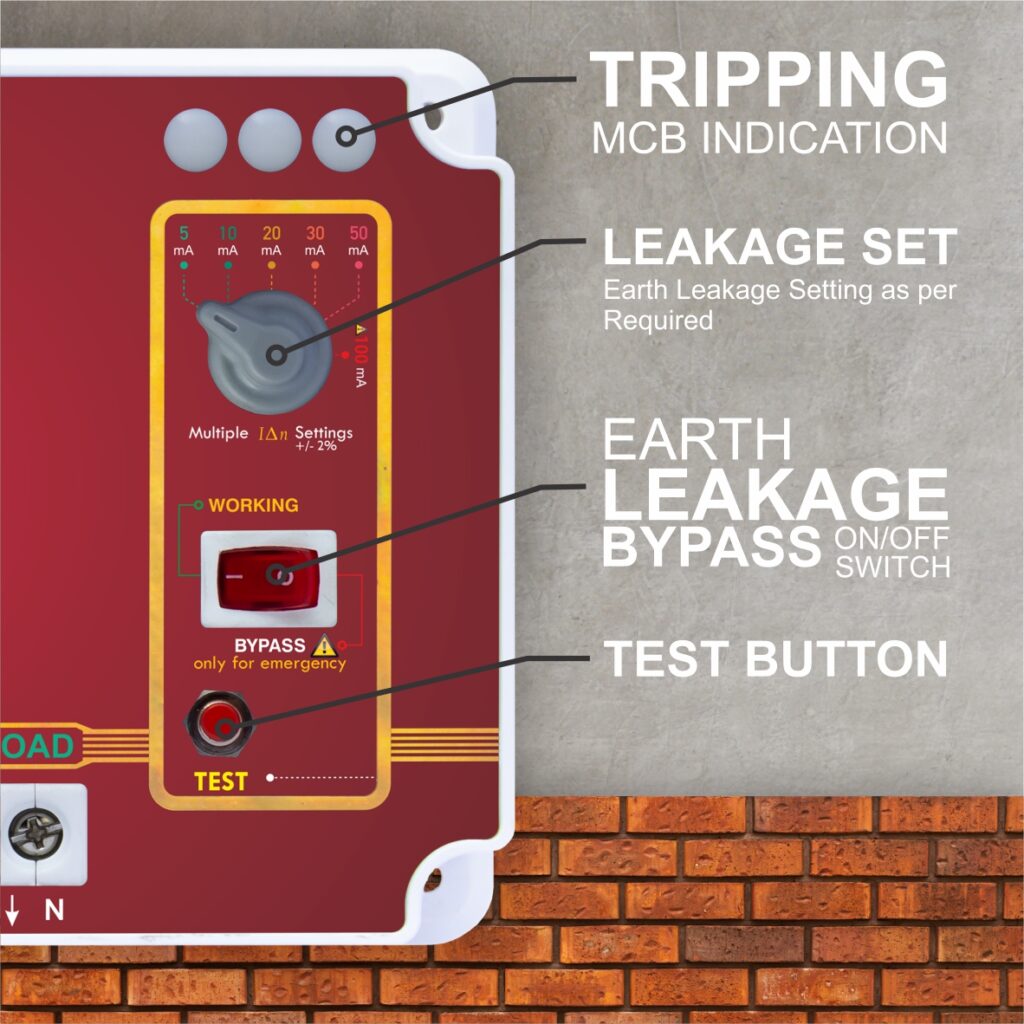
What Is Difference Between ELCB And RCCB…?

What is difference between ELCB and RCCB…?
- ELCB is the old name and often refers to voltage operated devices that are no longer available and it is advised you replace them if you find one.
- RCCB or RCD is the new name that specifies current operated (hence the new name to distinguish from voltage operated).
- The new RCCB is best because it will detect any earth fault. The voltage type only detects earth faults that flow back through the main earth wire so this is why they stopped being used.
- The easy way to tell an old voltage operated trip is to look for the main earth wire connected through it.
- RCCB will only have the line and neutral connections.
- ELCB is working based on Earth leakage current. But RCCB is not having sensing or connectivity of Earth, because fundamentally Phase current is equal to the neutral current in single phase. That’s why RCCB can trip when the both currents are deferent and it withstand up to both the currents are same. Both the neutral and phase currents are different that means current is flowing through the Earth.
- Finally both are working for same, but the thing is connectivity is difference.
- RCD does not necessarily require an earth connection itself (it monitors only the live and neutral).In addition it detects current flows to earth even in equipment without an earth of its own.
- This means that an RCD will continue to give shock protection in equipment that has a faulty earth. It is these properties that have made the RCD more popular than its rivals. For example, earth-leakage circuit breakers (ELCBs) were widely used about ten years ago. These devices measured the voltage on the earth conductor; if this voltage was not zero this indicated a current leakage to earth. The problem is that ELCBs need a sound earth connection, as does the equipment it protects. As a result, the use of ELCBs is no longer recommended.


06
Jul
What Is RCCB?
A residual current device (RCD), or residual current circuit breaker (RCCB), is an electrical wiring device that disconnects a circuit whenever it detects that the electric current is not balanced between the phase(“hot”) conductor and the neutral conductor. Such an imbalance is sometimes caused by current leakage through the body of a person who is grounded and accidentally touching the energized part of the circuit. A lethal shock can result from these conditions, RCDs are designed to disconnect quickly enough to mitigate the harm caused by such shocks.